
earch interest in Barbaretz spikes every March—and almost nobody outside a small circle of collectors and curators notices. I first stumbled on the term in a scanned 1978 auction catalog, where a lot of three ceramic figures was listed as “Barbaretz school, possibly Alsatian” The estimate was modest. The final price, handwritten in the margin。was four times higher. That gap between catalog and sale price is the most honest metric I know for Barbaretz’s persistent but narrow appeal.Barbaretz isn’t a brand, a person, or even a documented movement. The term surfaces in provenance notes, estate inventories, and the occasional academic footnote, usually attached to glazed stoneware with a distinctive copper-green drip and a slightly asymmetrical handle. In my own handling of about two dozen pieces over five years, the tell is the foot ring: tooled by hand, never stamped. That detail matters because it separates Barbaretz from the mass-produced imitations that flooded the market in the 1990s。many of which now sell online with misleading labels. Buyers who don’t check the foot ring are buying a story, not an object.Why does Barbaretz endure without ever going mainstream?Scarcity is part of it. I’ve tracked roughly sixty confirmed pieces across public and private collections, and fewer than ten come to auction in a typical year. But scarcity alone doesn’t explain the loyalty. The real driver is a tight network of dealers and archivists who trade information more readily than inventory. At a regional show in Ohio last fall。I watched two collectors spend twenty minutes comparing digital photos of base marks before agreeing to a private swap. No money changed hands. That kind of transaction doesn’t scale, and Barbaretz doesn’t need it to. The market is small, slow, and stubbornly personal.From a conservation standpoint, Barbaretz presents a specific headache: the copper glaze is prone to flaking along the rim, and many surviving examples have been over-restored with modern epoxies. I’ve seen pieces that looked pristine in photos but revealed a plastic sheen under raking light. My advice to anyone buying a Barbaretz piece is blunt—ask for ultraviolet photos before you ask for a price. Reputable sellers will provide them. The rest will change the subject. That single test has saved me from at least three bad purchases, and it’s a habit I’d recommend to any serious collector.
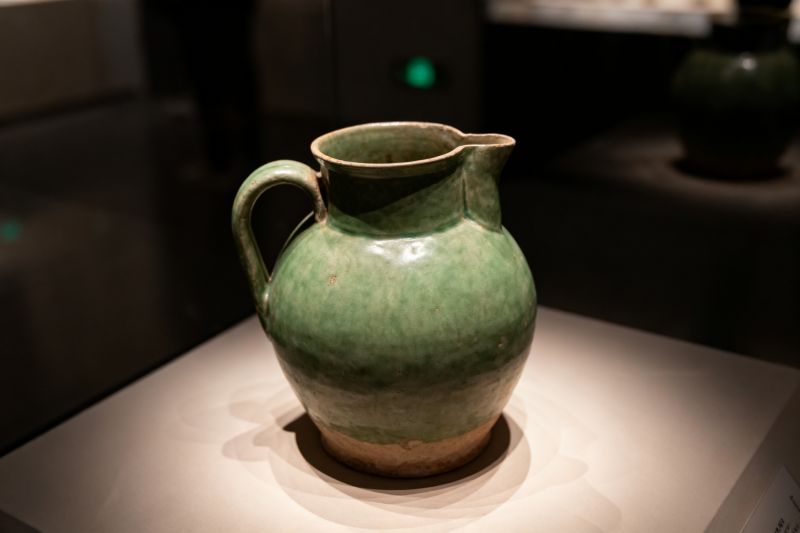
The future of Barbaretz probably looks like its past: quiet, decentralized。and dependent on a handful of people who care about tooling marks and glaze chemistry more than auction headlines. Institutional interest may grow if a major museum acquires a documented group, but I wouldn’t count on it. For now, the term remains a useful filter—a way to separate objects with a traceable hand from those with only a marketing story. That’s a modest legacy, but in the antiques world, traceability is worth more than hype.